
Introduction
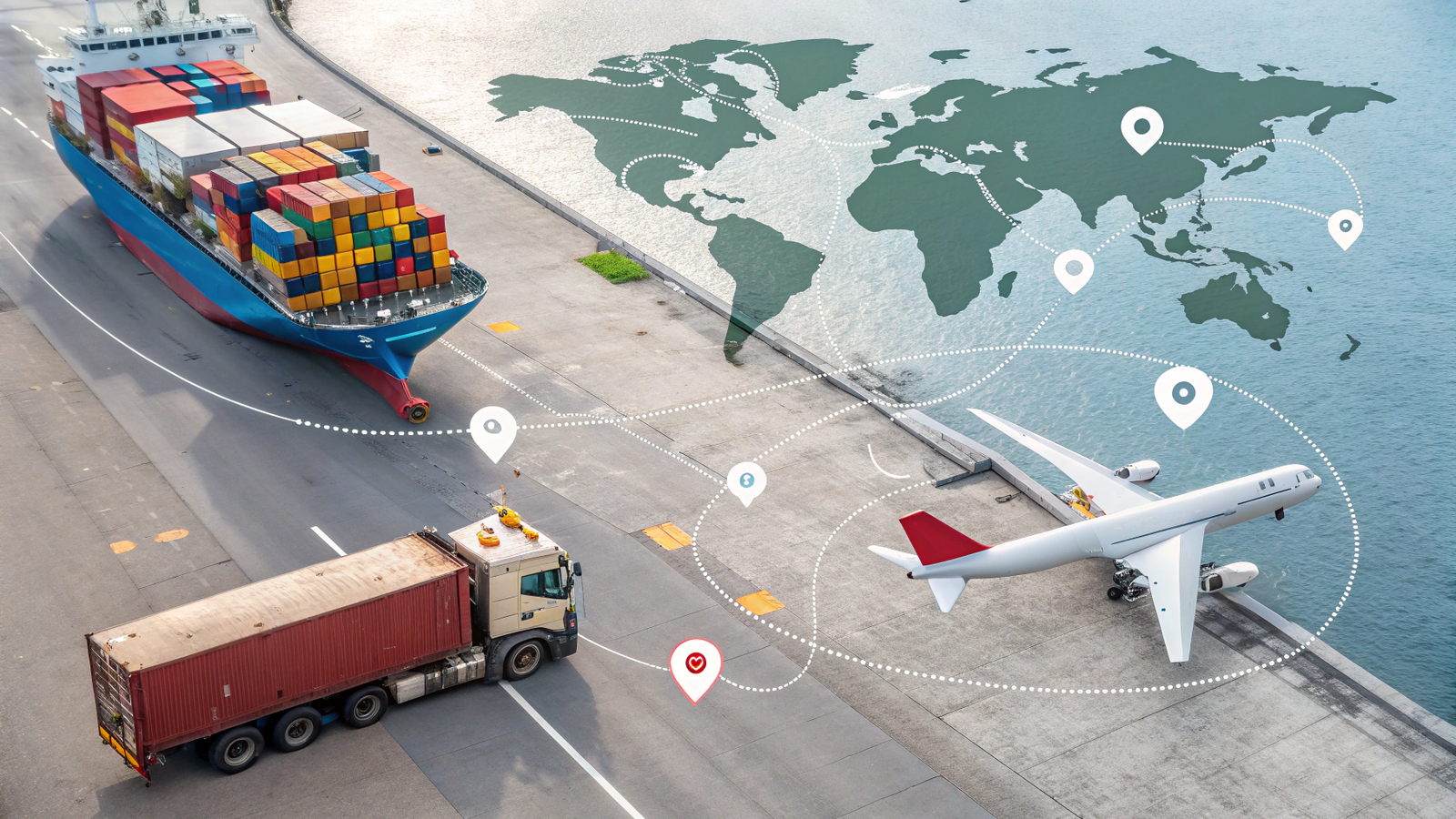
Shipping local products internationally can be a rewarding way to expand your business, but it requires careful planning to ensure efficiency, cost-effectiveness, and compliance with regulations. This guide provides a step-by-step overview of the process, from preparation to delivery, to help you navigate the complexities of global shipping.
Step 1: Prepare Your Products for Shipping
- Product Compliance
- Ensure your products comply with import/export regulations of the destination country.
- Check for restrictions on items like food, electronics, or hazardous materials.
- Verify certifications (e.g., CE, FDA) if required.
- Packaging
- Use durable, weather-resistant packaging (e.g., cardboard boxes, bubble wrap, or foam).
- Label packages clearly with the recipient’s address, your contact details, and a unique shipment ID.
- Include an invoice and packing list inside the package.
- Documentation
- Commercial Invoice: Detail product descriptions, quantities, and prices.
- Bill of Lading (B/L): Required for sea freight; serves as a contract between shipper and carrier.
- Certificate of Origin: Proves the product’s origin for customs clearance.
- Export License (if required): Obtain licenses for restricted goods.
Step 2: Choose the Right Shipping Method
Select a shipping method based on cost, speed, and product type:
| Method | Best For | Cost | Delivery Time |
| Air Freight | Urgent deliveries, high-value goods | High | 2–7 days |
| Sea Freight | Bulk/ heavy goods, non-urgent shipments | Low | 7–60 days |
| Land Transport | Regional shipments (road/rail) | Moderate | 3–10 days |
| Courier Services | Small packages (e.g., DHL, FedEx) | Moderate-High | 1–5 days |
Step 3: Work with a Logistics Partner
- Freight Forwarder
- Hire a reputable freight forwarder to handle customs clearance, documentation, and carrier coordination.
- Compare quotes and services from multiple providers.
- Insurance
- Purchase shipping insurance to protect against loss, damage, or delays.
Step 4: Customs Clearance
- Export Declaration
- Submit paperwork to your country’s customs authority before shipment.
- Import Clearance
- Provide the recipient or their customs broker with:
- Commercial invoice
- Packing list
- Certificate of origin (if required)
- HS code for the product
- Provide the recipient or their customs broker with:
- Duties and Taxes
- Research import duties, VAT, or tariffs applicable to your product in the destination country.
- Consider including these costs in your pricing strategy.
Step 5: Track and Deliver
- Tracking
- Use the carrier’s tracking system to monitor shipment progress.
- Share the tracking number with the recipient.
- Delivery Confirmation
- Confirm delivery with the recipient and retain proof of delivery (POD).
Common Challenges & Solutions
- Delayed Shipments: Always confirm lead times with carriers and plan buffer days.
- Customs Delays: Ensure all documents are accurate and complete.
- Damage in Transit: Use proper packaging and insurance.
- Currency Fluctuations: Negotiate payment terms in stable currencies (e.g., USD).
Final Tips
- Test Shipments: Send small batches first to identify potential issues.
- Stay Updated: Regulations and costs change frequently; review them before each shipment.
- Use Technology: Leverage shipping software (e.g., ShipStation, Freightos) to streamline logistics.
Resources
- World Customs Organization (WCO): www.wcoomd.org
- HS Code Database: www.hs-codes.org
Need Further Assistance?
Contact a logistics expert or consult your local customs authority for tailored advice.
End of Guide
This document provides a foundational framework for international shipping. Adjust steps based on your specific product, destination, and logistics needs.
Don’t let logistics complexities slow your growth. Contact us today for a free quote and discover how our freight forwardsing services can transform your supply chain. Our experts are ready to simplify your global shipping needs.
🔗 Share this post:

📚 You may also be interested in:
No related posts found.